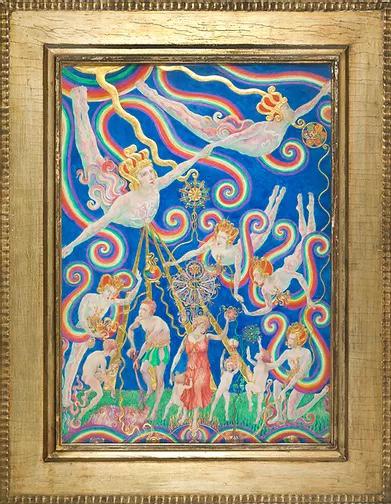
The College of Psychic Studies archive, which began in 1884, is a wonderful collection amassed almost entirely from donations over its long history. With a reputation as a secure repository for spiritualist and psychic material, the collection continues to grow.
Over the years, it has attracted hundreds of scholars, authors and curators drawn to its wealth of spiritualist history, including an impressive library of books from the 18th century to the present day. If you would like to access the College archives for research or a loan, please read the instructions below on how to apply.
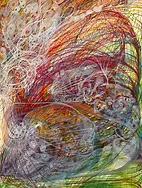
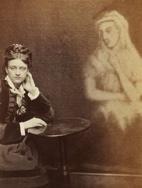
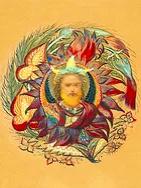

The archives of The College of Psychic Studies hold a unique and historically significant collection relating to spiritualism, mediumship and psychical research. Due to the nature of the collection and our limited staffing, access to the archives is carefully managed. We aim to support meaningful research while ensuring the long-term care of these materials.
Access to the archives
Access is by appointment only and subject to staff availability. We are not able to accommodate drop-in visits or general browsing of the collection. All visits must be arranged in advance and are dependent on our capacity at the time of request.
Who we can support
We welcome enquiries from:
- Researchers with a clearly defined topic or question
- Authors, academics and independent scholars
- Individuals working towards a specific project or outcome
As we do not hold a publicly accessible catalogue, we rely on our knowledge of the collection to assess requests.
Limitations
Due to the size of our team, we are not able to support:
- Open-ended or exploratory visits
- General interest enquiries without a clear research focus
- Extensive research carried out on behalf of visitors
We may need to decline requests where we are unable to support them within our current capacity.
Making a request
If you would like to access the archives, please send an enquiry including:
- A clear description of your research topic
- Any specific materials or subject areas of interest
- The purpose or intended outcome of your research
Requests should be submitted at least 4–6 weeks in advance.
What to expect
Where possible, we may offer:
- A limited in-person appointment
- A brief response to specific enquiries
Access is typically time-limited and structured in advance.
Loans from the archives
The College of Psychic Studies may consider requests to loan items from the archives for exhibition. Due to the nature of the collection and limited staffing, loans are exceptional and subject to strict conditions.
Eligibility
We will only consider loan requests from:
- Accredited museums, galleries, or recognised cultural institutions
- Organisations able to meet appropriate standards of care, security and display
We are not able to lend to private individuals.
Making a loan request
All loan requests must be made in writing by the contact form on this page and include:
- Details of the borrowing institution
- Exhibition title, venue and dates
- The purpose and context of the loan
- Specific items requested (where known)
- Information on display conditions, security and environmental controls
As we do not have a public catalogue, we are unable to respond to broad or speculative requests.
Notice period
Requests should be submitted at least 12 months in advance. We may not be able to consider requests submitted outside this timeframe.
Assessment
All loan requests are subject to internal review, including consideration of:
- The condition and suitability of the material
- Risks associated with transport and display
- Staff capacity to support the loan process
We reserve the right to decline requests at our discretion.
Conditions of loan
If a loan is approved, the borrowing institution will be required to:
- Meet agreed standards for handling, display, and environmental conditions
- Arrange and cover all costs associated with the loan
- Comply with any additional conditions set by the College
Fees
We do not currently charge for archive access. However, availability is limited and access is granted at our discretion. For loans, the College expects borrowing institutions to cover all direct costs associated with the loan. These may include:
- Transportation and courier costs
- Crating and packing materials
- Insurance, or cover provided through a national indemnity scheme
- Condition reporting and photography
International borrowers may also be asked to contribute to the costs of preparing items for loan, including administration, technical support, and any essential conservation work required. All costs and requirements will be agreed in advance as part of the loan process.
Further information
As we do not have a publicly available catalogue, we are not able to provide comprehensive lists of materials. Access depends on staff availability and familiarity with the collection. We appreciate your understanding and look forward to supporting focused and meaningful research where possible.
Treasures from our Archive
We regularly feature pieces from our archives on our blog. Here is the latest article.
-

Painting the Unseen: The Rediscovery of Ethelwynne M. Quail
Archive TreasuresFor decades, Ethelwynne M. Quail's paintings of devas and nature spirits were known only as small reproductions in a 1952 book, credited to a name most readers skipped past. Now, over 20 of her original works go on public display for the first time, revealing the artist behind Geoffrey Hodson's visionary text.
By The College of Psychic Studies -
Read More

Contact our Archivist
Researchers are welcome to contact our archivist through the form below.
CREDITS
1 Ethel le Rossignol, from A Goodly Company series of paintings and drawings, 1920-33. 2 Georgiana Houghton, Flower of Catherine Emily Stringer, 1866. 3 Parkes and Reeves, Spirit Photograph showing Florrie Cook and a spirit, circa 1874. 4 Anna Howitt Watts, Spirit Drawing, circa 1858. 5 Baron Arild Rosenkrantz, Spirit pastel drawing, circa 1929. 6 Georgiana Houghton, Flower of Catherine Stringer, 1866.